
I’LL GO
FIRST.
Independent candidate for Clacton

TO CLACTON
Public office can create private income.
An MP is paid to represent their constituency, but the role also creates a national profile. That profile can lead to television work, newspaper columns, paid articles, speaking engagements, podcasts, commentary and commercial opportunities that most people would never be offered.
I am not proposing that MPs hand over 30% of every penny they earn outside Parliament. If someone has an established profession, a genuine pre-existing business or ordinary investments, that is different. My proposal is aimed at money earned substantially because the person has the honour and profile of being an MP.
The £11m figure was cited in a Westminster Hall debate on 1 July 2026 using Westminster Accounts data. The 236 MPs and 32,000 hours are a separate Guardian analysis covering the first 264 days of the 2024 Parliament.
What could the 30% actually do for Clacton?
This should be a positive idea, not just an argument about what MPs earn. If being an MP creates extra paid opportunities, part of that money can be turned into visible help here in Clacton, Jaywick, Holland-on-Sea and across the constituency.
For example, £100,000 of qualifying outside income would create a £30,000 local fund. The examples below are illustrations, not promises to particular organisations. The point is to show the sort of local benefit that money could create.
Not a number on a register. Money doing something useful here.
Food and community meals. Activities and mentoring for young people. Accessible transport. Support for carers and families. Hospice care. Volunteer equipment. Lifesaving kit. Small grants for local groups. The public should be able to see where every pound goes.
 Food support
 Young people
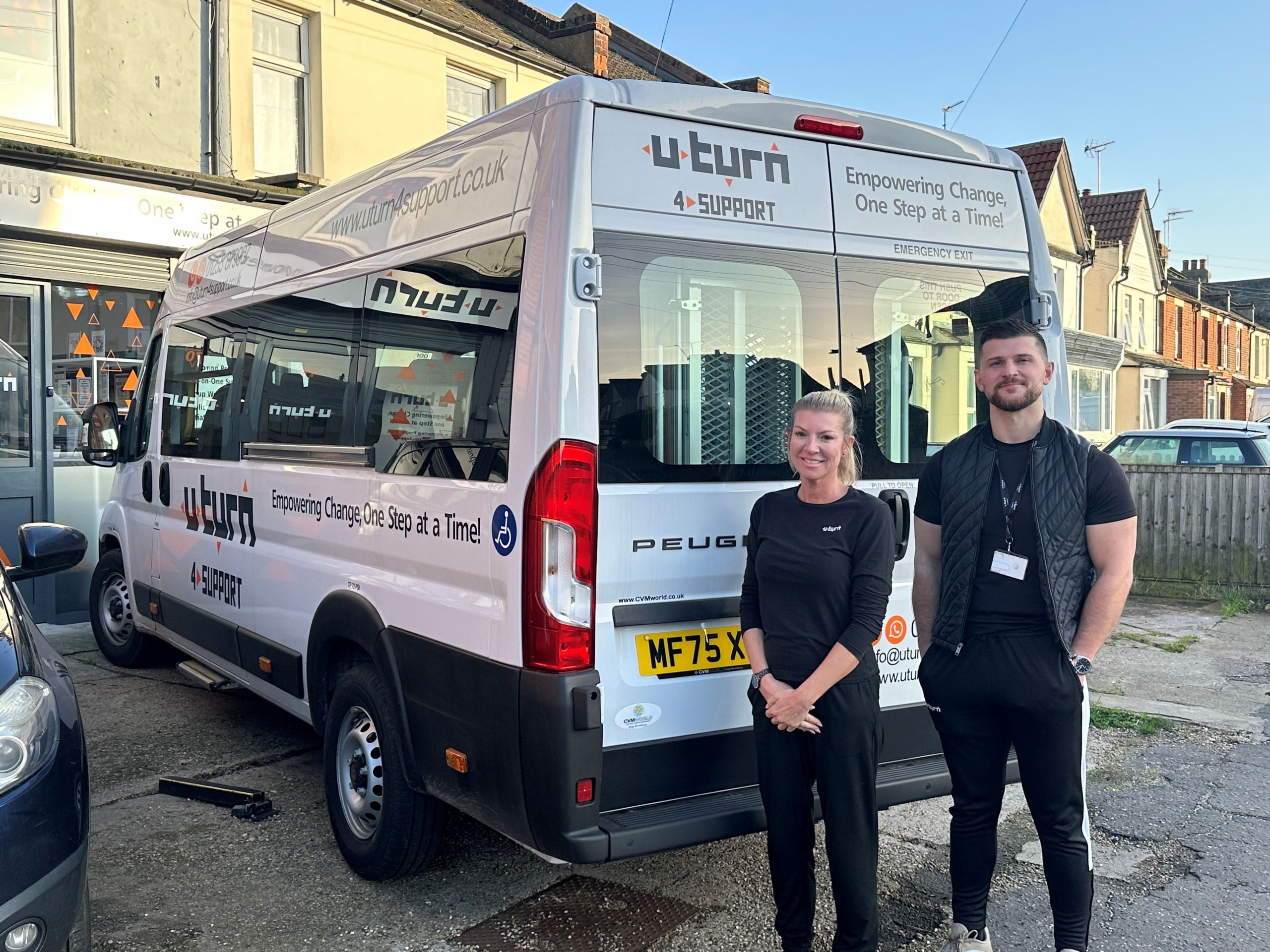 Transport & access
 Local volunteers
Clacton Foodbank donations, Asda Clacton
Local volunteers
Clacton Foodbank donations, Asda Clacton
Food, hot meals and somewhere welcoming
Money could help with food, cooking equipment, essentials and community meal projects, while also tackling isolation by bringing people together.
Inclusion Ventures, local ParkPlay
More for young people to do, join and achieve
Sport, activities, mentoring, trips, equipment and practical support can give young people confidence, friendships, skills and better choices.
Local community transport in Clacton and Tendring
Transport that opens doors instead of closing them
Accessible transport can mean getting to school, medical appointments, support sessions, activities and community life instead of being stuck at home.
Clacton lifeboat image: Wikimedia Commons
Back the people already doing good locally
Volunteer groups and charities can turn relatively modest sums into training, equipment, direct support, community activities and services people rely on.
Real local organisations and the issues they are already working on
These are examples, not pre-selected recipients and not promises of funding. Any real allocation would need basic checks, agreement from the organisation and a public record showing why the money was awarded.
Clacton.org can publish requests for support, show the amount being considered and explain the decision. People should be able to see the opportunity before the money is allocated, not just hear about it afterwards.
The allocations above are examples, not promised grants. Real recipients, amounts, evidence of transfer and a short update on the benefit created would be published in the public ledger.
Millions are earned outside the job MPs are elected to do.
Total outside earnings by MPs since the 2024 general election were cited at around £11 million. The top 10 MPs alone accounted for more than £7 million.
Television. Speaking. Articles. Advice. Legal work.
Outside earnings are not all the same. These examples show the range. Their inclusion is not an allegation of wrongdoing. They are declared interests, and that is exactly why a sensible give-back rule should distinguish between work created by political profile and an independent profession.

Lee Anderson MP
His current Parliamentary Register lists £100,000 a year as a GB News presenter and contributor, with eight hours a week registered.
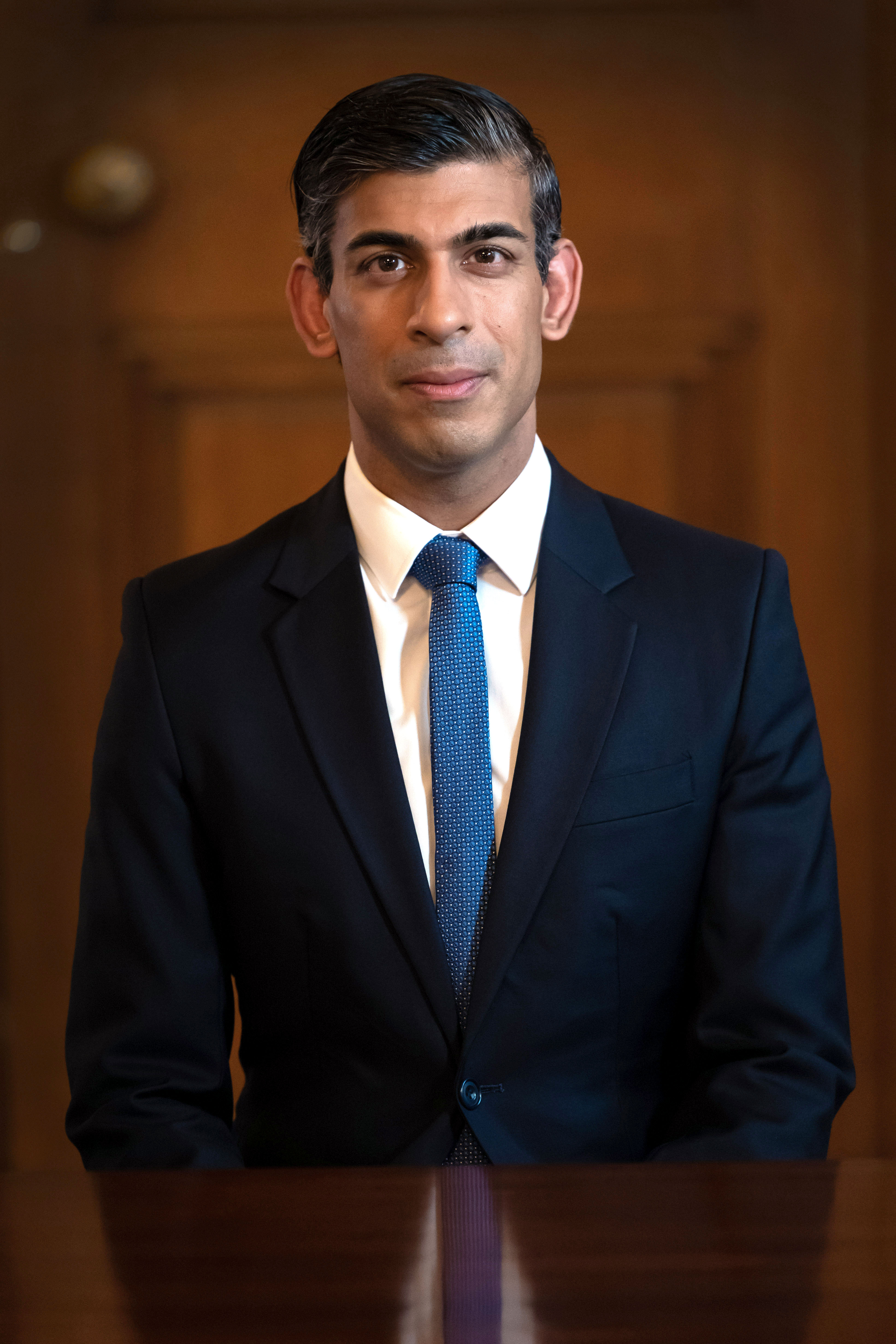
Rishi Sunak MP
Two registered speaking payments total £344,911.44 for 6.5 hours.

Esther McVey MP
Register entries include paid television appearances and paid newspaper articles.

Tom Tugendhat MP
Current register entries include paid writing for several publications.
Rishi Sunak
£344,911.44Two registered speaking payments, £188,476.20 for four hours and £156,435.24 for 2.5 hours. Under my proposed test, paid speaking created by political profile is the sort of income that would normally qualify.
Check the registerEsther McVey
£2,358.97One registered payment covered seven Daily Express articles. Her register also records £500 for two GB News shows and later television payments from News UK.
Check the register
Sir Geoffrey Cox
£110,591.51A 2026 register entry records this payment for 50 hours of legal services. This is exactly the sort of case that would not automatically fall inside my 30% rule simply because the person is an MP.
Check the registerTom Tugendhat
£1,767.24One 2026 registered payment covered three articles and 7.5 hours. His live register contains other paid article entries too.
Check the register
Clive Lewis
£350A current register entry records £350 from Avalon Television for approximately 1.5 hours. Smaller payments matter too, because the principle should not depend on whether the fee is huge.
Check the register
Lee Anderson
£100,000/yrThe current register lists annual remuneration of £100,000 from GB News with eight hours a week. This is a clear example of why media income belongs in the public discussion.
Check the registerFollow the money by party.
These are four different things, so I have kept them separate. MP outside earnings are personal earnings declared by MPs. Party donations are money accepted by political parties. Membership fees are subscriptions paid by members. Total party income includes multiple income streams.
Declared MP outside earnings by party
Approximate party shares of the £11m total cited in Hansard on 1 July 2026.
Donations and membership are not the same thing.
A political donation is money or support given to a party under political finance rules. Membership income is the subscription money paid by members and is separately shown in party accounts.
The outside-work chart covers the whole House.
The cited total is for MPs’ declared outside earnings across Parliament. MPs with no outside earnings contribute zero. The party shares show where the declared money sits, not how many MPs in each party have a second job.
What would 30% put back into a constituency?
Enter any amount of qualifying MP-profile income. This calculator shows the minimum local contribution under my proposal.
Illustration only. Tax treatment and the legal structure of any donation would need to be handled correctly. The political commitment is the minimum 30% local give-back.
What counts, and what does not?
The rule needs to be tough enough to mean something and clear enough that MPs cannot hide behind vague wording.
Normally included
- Paid television and radio appearances
- Paid political commentary
- Paid newspaper and magazine articles
- Speaking and appearance fees
- Paid podcasts or broadcasts
- Media presenting linked to political profile
- Commercial or advisory work substantially offered because of MP status
Not automatically included
- A genuine pre-existing profession
- An established business unrelated to political office
- Ordinary investments
- Pre-existing rental or property income
- Work obtained independently of Parliamentary status
- Income that clearly would have existed whether elected or not
Edge cases: publish the reason
- Consultancy or advisory work
- Board appointments
- Brand or ambassador roles
- New business opportunities after election
- Work mixing professional expertise and political access
- Anything where the public could reasonably question why the opportunity arose
Would I realistically have been offered this work if I was not an MP? If the honest answer is probably no, I believe at least 30% should go back to the constituency.
The principle is already workable. Make it automatic.
This is not about pretending nobody else gives money back. Some MPs already donate individual fees to charity. I think the next step is a standing minimum commitment for qualifying MP-profile income, with a public trail showing where it went.

Andrew Griffith MP
£1,000His register says a £1,000 fee following a one-off podcast appearance was paid directly by the payer to The Sussex Snowdrop Trust, a charity in his constituency.
Check the register
Carla Denyer MP
£1,800Her register records £1,800 for three Christmas University Challenge appearances, with the fee stated as being donated to charity.
Check the registerTransparency has to mean more than a nice promise.
A give-back pledge is pointless if money can be routed to relatives, friends, controlled businesses, campaign activity or an organisation that later rewards the MP.
The money should not find its way back to the MP.
- No payment to the MP personally from the community fund.
- No payment to a spouse, partner or close family member.
- No payment to a business controlled by the MP or close family.
- No use as political party funding or election campaign funding.
- No recipient organisation should financially reward the MP.
- Recipient, amount, reason and evidence of transfer should be published.
- Any conflict of interest should be declared before money is allocated.
A public ledger anyone can check.
If elected, I want Clacton.org to show every qualifying payment, the minimum 30% due, the organisation or cause receiving it, the amount actually given and evidence of where it went.
Martyn OBrien MP Income Give-Back Register
Public Record| Date | Payer | Work | Gross Income | 30% Minimum | Local Recipient | Amount Given | Evidence |
|---|---|---|---|---|---|---|---|
| No qualifying MP income. This pledge starts if Martyn OBrien is elected. | |||||||
| EXAMPLE ONLY | Example broadcaster | TV appearance | £1,000 | £300 | Example local cause | £300+ | Receipt / transfer record |
Turn the pledge into practical local help.
The 30% pledge can feed into the wider community spirit work on Clacton.org, while keeping every pot of money clearly labelled so people know exactly what they are supporting.
Local fundraisers
Give genuine local causes and residents a visible place to raise money with clear targets and public totals.
Community projects
Use transparent local funding for practical projects, small grants and needs that can make a direct difference.
Local charities
Support verified charities and voluntary organisations doing useful work in the constituency.
Clacton.org support
Keep website and infrastructure donations separately identified rather than quietly taking costs from community fundraising.
Public office should create public benefit. I’ll make the commitment now.
If being an MP creates additional financial opportunities, I believe the constituency that gave you that position deserves to share in the benefit. Minimum 30%. Declared. Tracked. Local.
Sources & Transparency
Every important figure on this page should be checkable. The main evidence is Parliament’s live Register of Members’ Financial Interests, Hansard and Electoral Commission political finance records.
UK Parliament Register of Members’ Financial Interests
The primary live source for MPs’ registered employment, earnings, payments, donations, gifts and other registrable financial interests.
MP salary: £98,599
UK Parliament’s current page for MP pay and expenses, including the basic salary from 1 April 2026.
Open UK Parliament source£11m outside earnings and party shares
Westminster Hall debate citing the total outside earnings, top 10 concentration and approximate Conservative, Reform and Labour shares.
Open HansardParty donations, Q1 2026
Official published table of donations accepted by political parties, excluding public funds, plus separately reported public funds.
Open donations data2025 party financial accounts
Headline annual income and expenditure figures for political parties, published 6 August 2026.
Open party accounts report2024 membership fee comparison
Membership income is taken from each party’s submitted 2024 annual accounts so the comparison uses one consistent year.
Search Electoral Commission accounts236 of 650 MPs and 32,000 hours
Guardian analysis of self-declared outside work covering the first 264 days of the 2024 Parliament.
Read the analysisRishi Sunak
Primary source for the two speaking payments and other current registered interests shown on this page.
Open registerMcVey, Tugendhat, Cox, Lewis and Anderson
Direct links to the individual live Parliament pages are included on each example card above.
Open MPs and Lords searchAndrew Griffith and Carla Denyer
Live register entries recording a podcast fee paid directly to a constituency charity and a TV appearance fee donated to charity.
Open example registerThe Parliament register is updated and interests can leave the live register after the relevant period. Electoral Commission annual accounts are statements submitted by parties. The Commission explicitly says publication should not be taken to mean it has verified or validated a party’s statement of accounts. That is why this page links to the underlying records rather than asking readers to trust unexplained figures.